MS-06D Zaku Desert Type
The Origin Zaku frame in camo fatigues, decals and all.
MechaGrade Score
Zaku II · 1/144 · 2020
Affiliate link. We may earn a commission at no extra cost to you
This is the same excellent Origin-era Zaku II engineering that's made half a dozen HG variants worth owning, dressed in a desert scheme that lives or dies by how much patience you have for water decals.
I like it a lot as a display piece once it's finished, and the frame underneath is genuinely one of the better HG builds Bandai has put out. The catch is that this particular release leans hard on decals to do the color separation that molded plastic usually handles, so the payoff depends on your own application work, not just the parts in the box.
Best for: Origin-Zaku collectors and camo/military-scheme fans who don't mind working with water slide decals
What it is
The MS-06D is built on the same frame Bandai has been reusing since the original HG Gundam The Origin Zaku II release, which means you get double-jointed elbows and knees, a mono-eye that slides side to side on a switch, and shoulders that swing the torso block forward for real frontward reach. This Desert Type dresses that frame in a sand and camo scheme meant for the Caracal Corps units that fought through the Libyan Desert and around the Suez Canal in the show's continuity. It ships with newly molded desert-specific gear, a double missile pod and cracker pods that swap onto the waist armor, plus the Zaku Machine Gun with a flip out foregrip and stock. Finished and posed, it reads as a genuinely different Zaku from the swamp green ones on my shelf.
The catch
The camo pattern and unit markings on this kit come from water slide decals rather than molded color, so a lot of the finished look depends on how carefully you cut, soak, and place them, and how much patience you have for that step versus stickers you just press on. It was also sold as a Premium Bandai / limited release, so pricing and availability run higher and spottier than a standard HGUC rack kit, and you're paying for a recolor and new accessory runners on top of a frame you may already own from another Origin Zaku. None of that touches the engineering, but it does mean the box costs more for what is, underneath the decals, a familiar Zaku.
Who it's for
If you already like the Origin Zaku II frame and want a desert or camo variant on the shelf next to your other Zaku IIs, this is worth tracking down, the articulation carries the build even before you touch the decals. It's also a fine pick if you enjoy decal work as part of the hobby rather than a chore. Skip it if you want a first Zaku kit at a normal price point, or if water decals sound like a dealbreaker rather than a fun Saturday afternoon, since a standard HGUC MS-06 or MS-06F will get you the same frame for less money and less decal labor.
The build story
What the build is actually like, and the engineering worth knowing about.
The runners follow the same layout as other Origin-era HG Zaku releases, so gate placement and cleanup feel familiar if you've built any of the C-6/R6 or Char's Zaku kits, nubs land in low-visibility spots and the frame goes together without any real fit issues. The new parts for this variant are the desert weapon runners, the double missile pod, cracker pods, and the machine gun with its flip out foregrip and stock, all of which snap on cleanly. The decal sheet is the real time sink here, cutting and soaking each camo patch and unit marking takes far longer than the plastic assembly itself.
Where this kit earns its keep is the frame. The mono-eye swivels side to side on an underside switch, the head tilts on a c-clip pivot, and the shoulders let two thirds of the torso block swing forward so the arms can actually reach across the body. Elbows and knees are double-jointed, the waist rotates on a ball-and-socket joint, and the hip and thigh joints swing and rotate enough to hold a genuine crouch or wide stance. For a 1/144 HG at this part count, that's a lot of working joints, and it's the reason this frame has been recycled across so many Zaku releases instead of retired.
Lore & trivia
- 01In the show's continuity, 114 MS-06D Zaku Desert Types were produced, split between 43 double-antenna units and 71 single-antenna units
- 02The Desert Type was developed at a captured Earth Federation base in California specifically to handle Earth's desert and tropical climates after the Antarctic Treaty forced Zeon to rework the standard MS-06J Ground Type
- 03The Caracal Corps, the unit most associated with this scheme, ran guerrilla operations from the Libyan Desert to the west coast of the Suez Canal during the One Year War before Zeon phased the type out in favor of the MS-09F/trop Dom Tropen
What other builders say
This write-up is grounded in real reviews and builder discussion, not just one opinion. A few worth reading:
More reviews
All reviews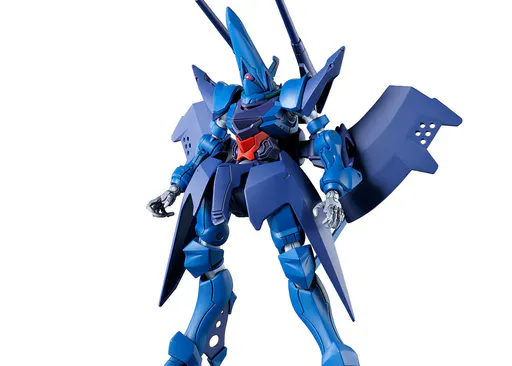
ORX-139 Hambrabi (GQ)
A transforming prototype MS that gives an HG the kind of gimmick usually reserved for MG price tags.
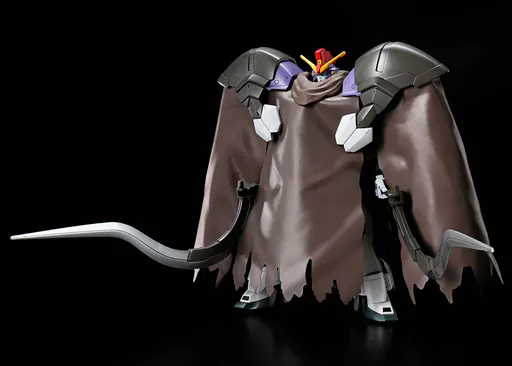
XXXG-01SR2 Gundam Sandrock Custom EW
The desert Gundam's upgrade finally gets the small-scale treatment its heat shotels deserve.
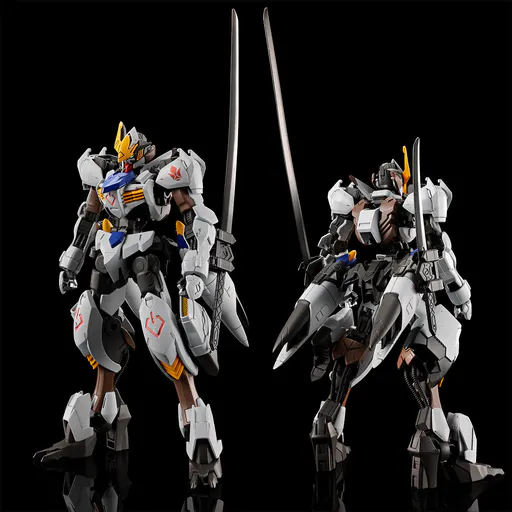
ASW-G-08 Gundam Barbatos Adapt
Same battered soul, a whole new frame under the patchwork armor.